
About Parent CARE Project
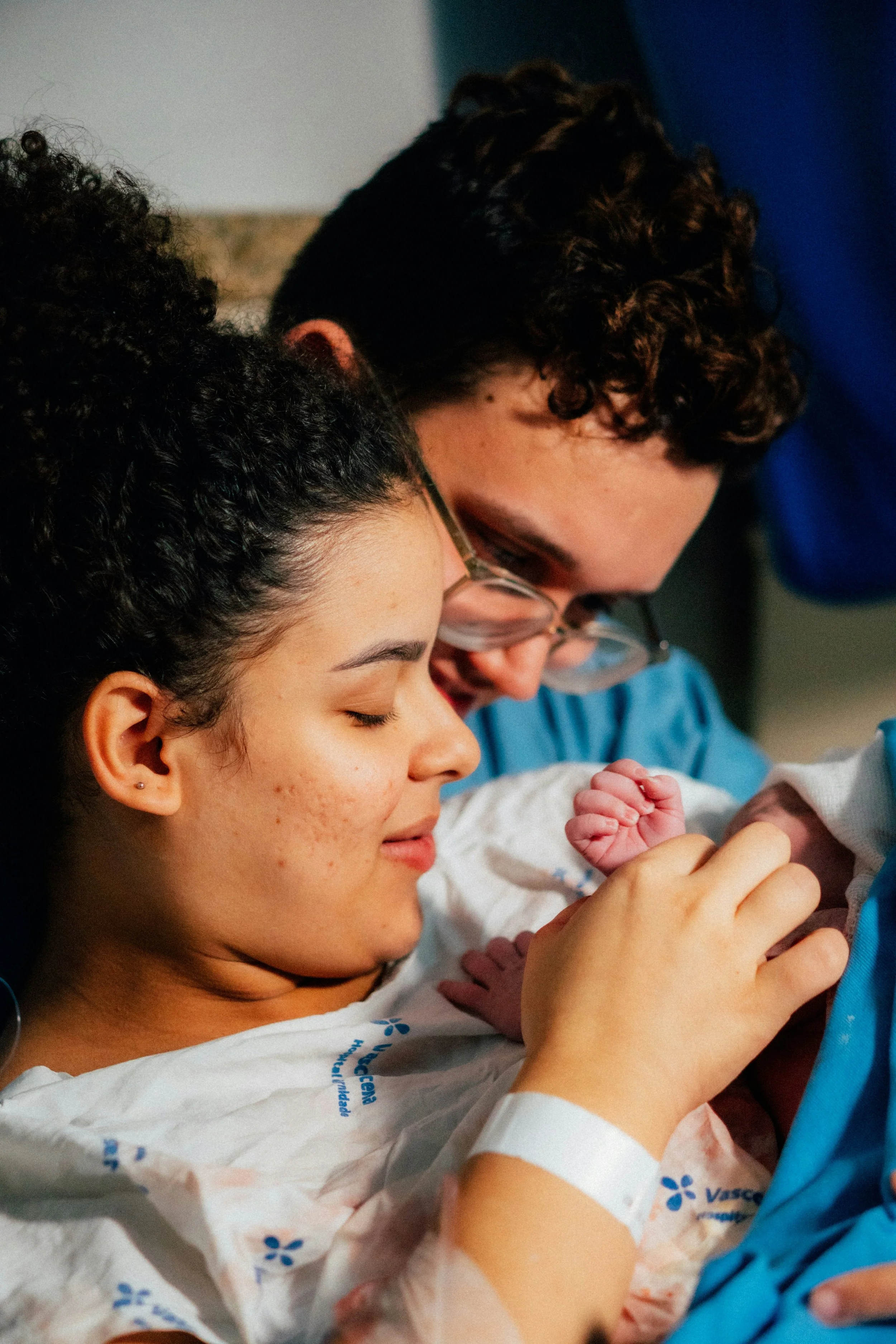
Bringing a baby home and caring for a growing child is one of the most intense periods of adulthood, yet healthcare systems focus on the infant/child in a silo from their caretakers—the people responsible for the child’s very survival and wellbeing.
Parent/caregiver mental health information and postpartum resource referral is strikingly absent from prenatal and pediatric care in the U.S., despite that maternal mental health is the #1 complication after birth. Expecting and postpartum men are twice as likely to experience depression or anxiety than global estimates of men.*
1 in 5
Moms or birthing parents will experience a Perinatal Mental Health Disorder (PMHD)
1 in 10
Dads will experience Postpartum Anxiety or Depression*
* Postpartum Support International
Parents leave prenatal visits, labor & delivery units, and pediatric appointments with medical instructions for their child—but little to no guidance or resources around caring for themselves during a time of heightened risk for medical trauma, anxiety, severe sleep deprivation, stress, relationship strain, isolation, depression, and other serious health challenges.
It's not because clinicians don't care, but because they are time-pressed and have no standardized resource referral system for parent mental health support.
Parent wellbeing is imperative to infant and child health outcomes. Growing evidence calls for the integration of parent/caretaker behavioral health into pediatric primary care.

Mission
Every new parent and caregiver is mentally equipped for the realities of early parenthood and receives access to free mental health information, tools, resources, and meaningful support before a crisis point.
No parent or caretaker should fill out a mental health screening questionnaire without follow-up resource referral.
Research tells us when parents are supported emotionally, socially, and practically, children and families have the greatest opportunity for a healthy childhood and parenthood.

Values
Our organizational purpose is to focus on parent and caregiver wellbeing, so both children and their parents have the best possible start to childhood and parenthood.
Parent-Centered
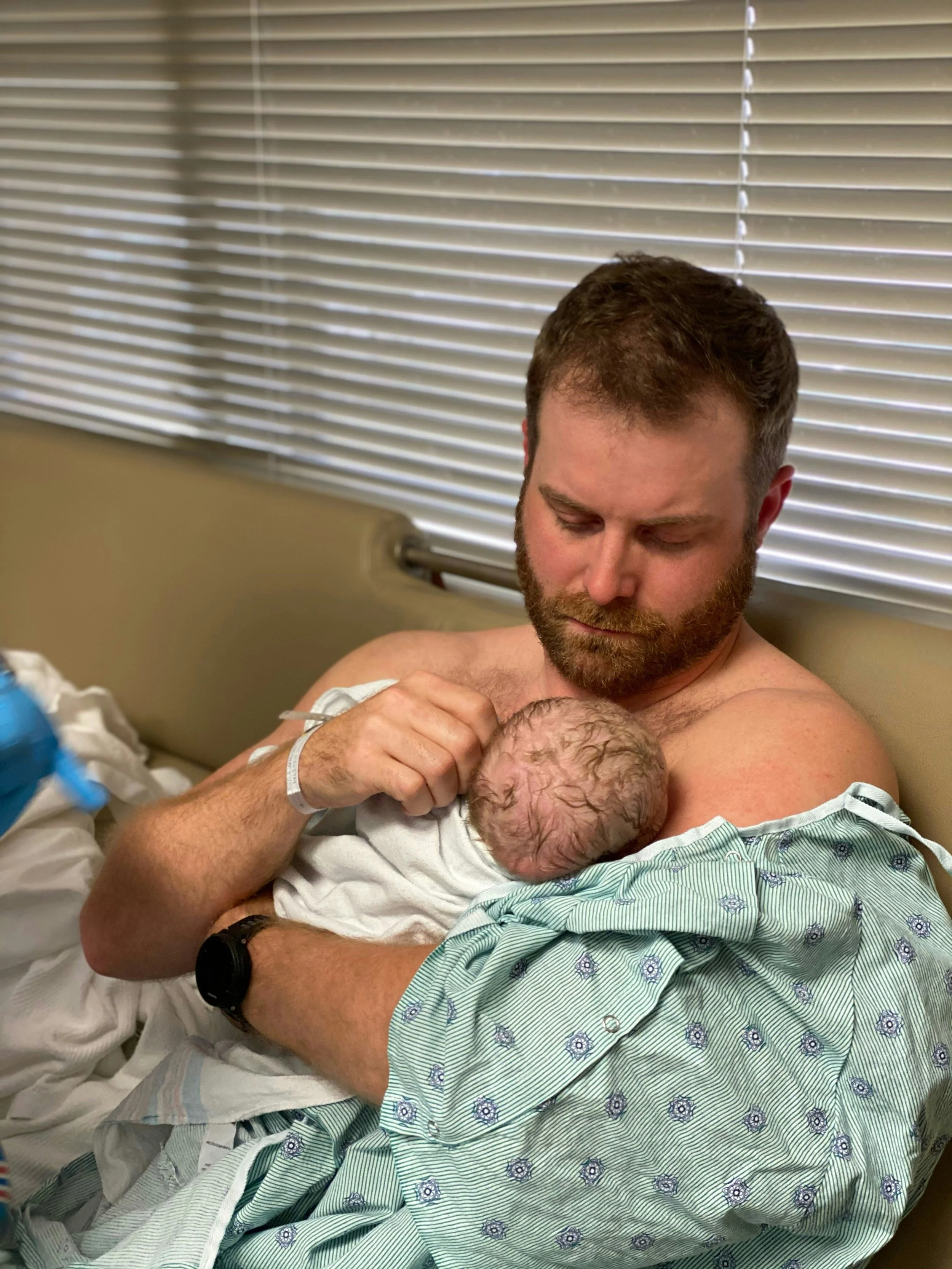
We value the role of all caregivers and family structures with the recognition that fathers and non-birthing parents also experience perinatal mental health challenges.
Parent CARE resources speak to all caregivers, not just birthing parents, following a family-systems approach that centers the wellbeing of the entire household as integral to infant/child health and development.
All parents and caregivers deserve to feel equally seen, affirmed, supported, and empowered.
Inclusive
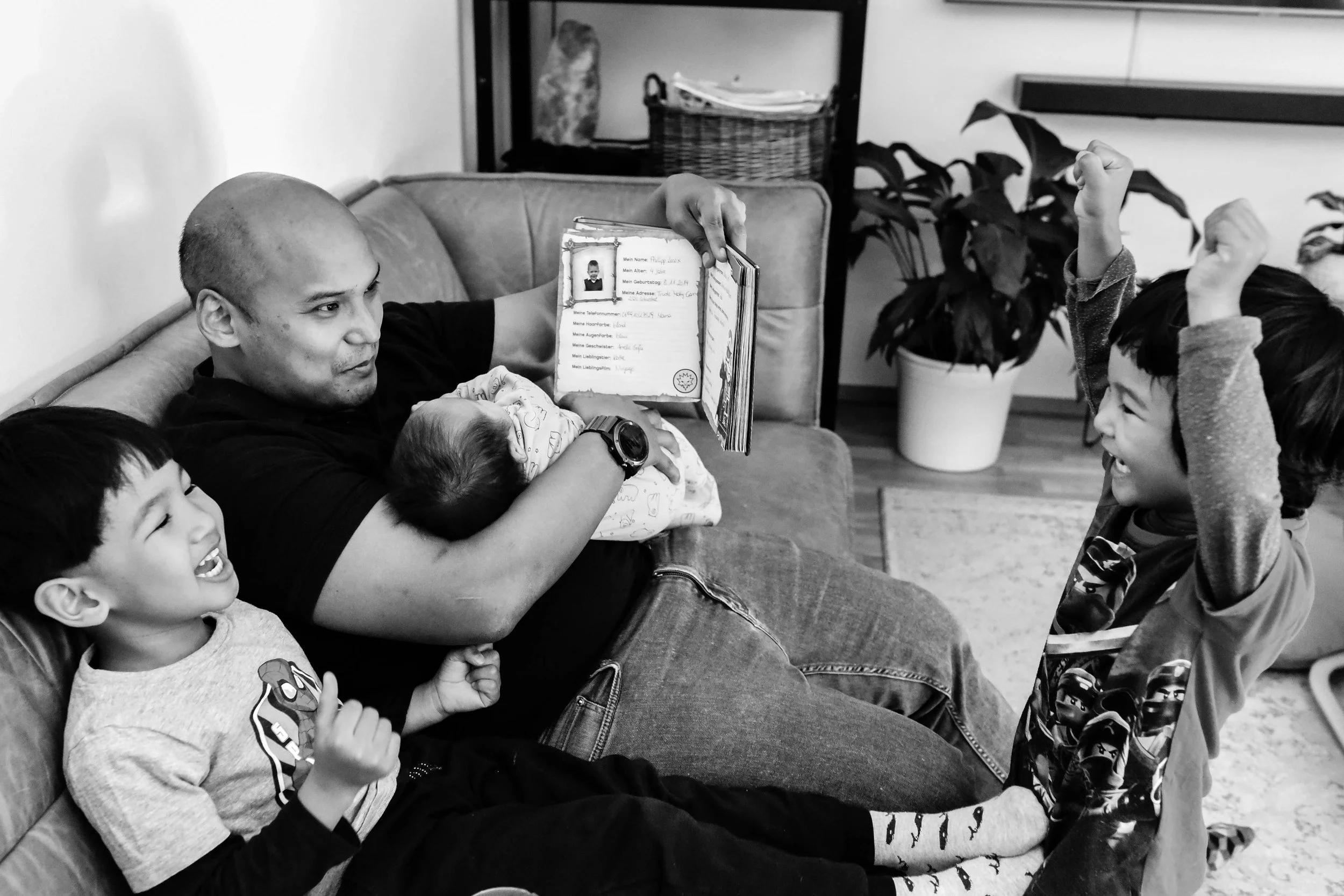
We strengthen parent confidence and help you build a reservoir of resilience rather than direct your choices or make value judgements around your decisions. We view parenting choices with compassion, with the understanding that most caregivers are simply operating from their available capacity, knowledge, and resources.
Our support is evidence-informed, but does not promote prescriptive advice or answers. Primary caregivers already face internalized pressure and steep expectations around being a ‘good’ parent in an overwhelming marketplace of parenting products, services, and parenting methods.
Parent CARE Project does not have a position on feeding, sleeping, childcare, or other parenting choices you determine for your family. There is no singular 'right' way to be a good parent, but many ways to be a great parent.
Non-Judgmental
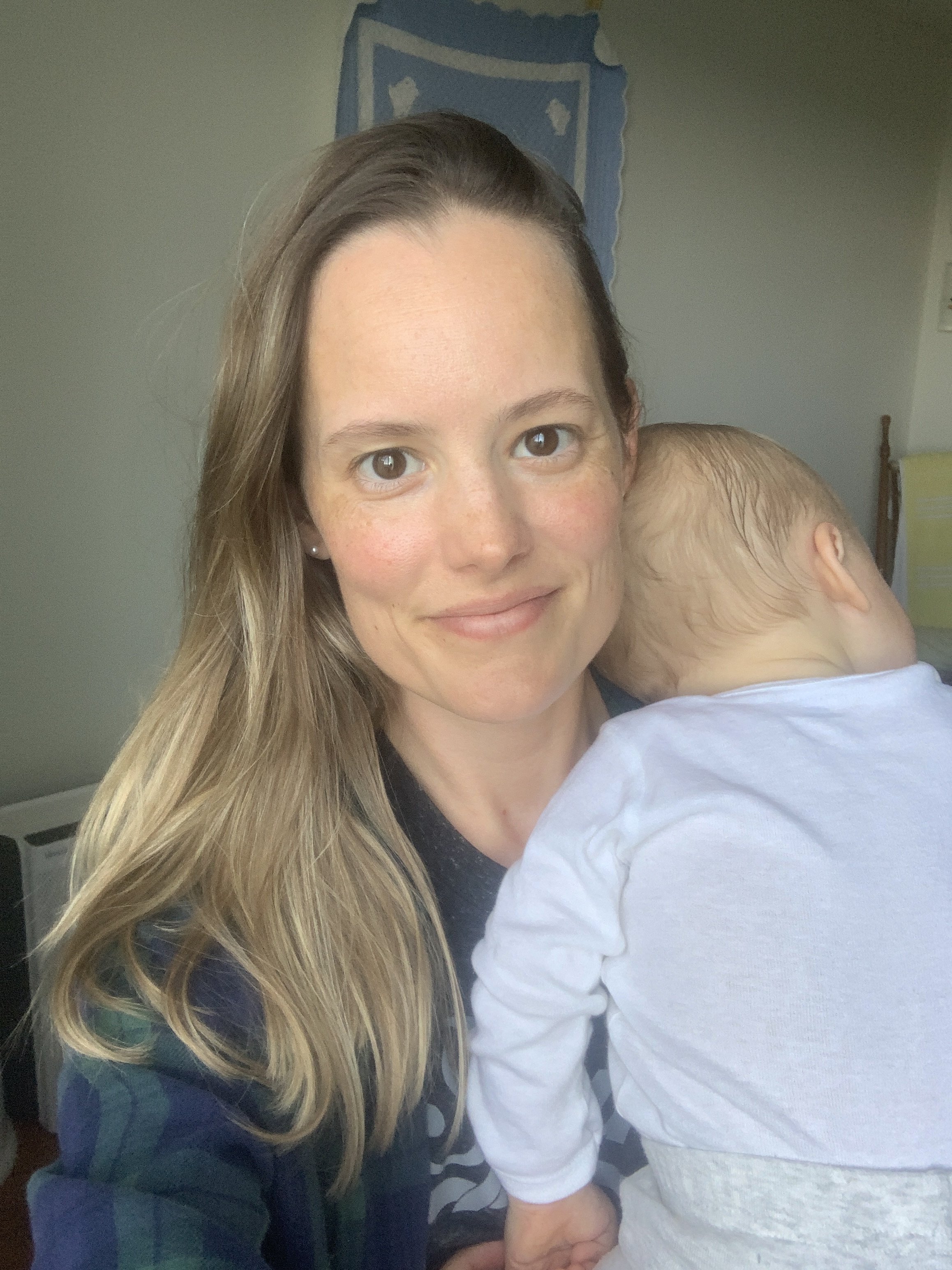
Maggie Nelsen
Maggie Nelsen founded Parent CARE Project to address critical gaps in perinatal mental health screening follow-up and non-birthing parent inclusivity. An adult education professional, Maggie is trained in Group Peer Support by Postpartum Support International and Mental Health First Aid certified through the National Council for Mental Wellbeing. Maggie holds her Master’s in Education & Human Development and lives in Washington, D.C. with her husband and son.
FounderGet Involved
Get in touch with Maggie to discuss how you can be part of the mission and have impact supporting parent and caregiver mental health.